
Palo Alto Firewall Models Explained: Complete Comparison & Buying Guide (2026)
Why Palo Alto Firewalls Matter in 2026
If you’ve ever had to clean up a network mess after a breach, you’ll know why I’m so passionate about this topic. Back in 2022, I was helping a small healthcare provider recover from a ransomware attack. Their old firewall was, to put it kindly, about as effective as a chain-link fence against mosquitoes. Switching them to a Palo Alto Networks firewall changed everything. Within weeks, their IT team was sleeping better, and so was I.
Here’s the thing: in 2026, network threats are faster, sneakier, and more automated than ever. Palo Alto’s firewalls aren’t just boxes that block bad traffic—they’re intelligent, adaptive systems.
An Overview of Palo Alto Firewall Models
Palo Alto Networks offers a range of firewall models to fit everything from small branch offices to massive data centers. They’re grouped into series—each with different performance, port density, and price points.
What sets them apart isn’t just raw speed. It’s the next-generation firewall (NGFW) features like:
- Deep packet inspection
- Application-based policy control
- Integrated threat prevention
- Cloud-delivered security services
That’s why businesses (and governments) trust them.
Model Series Breakdown
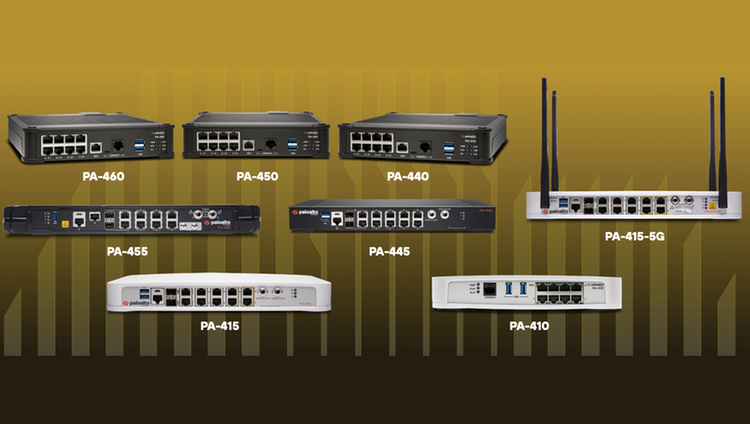
PA-400 Series
Perfect for small businesses or branch offices. Compact, affordable, but still packing the same NGFW tech you’ll find in the big leagues.
PA-400 Series All Models comparison guide Pdf
Highlights:
- Throughput: ~1–5 Gbps
- Ideal for: Small offices, retail, startups
- Pros: Low cost, easy to deploy
- Cons: Limited scalability
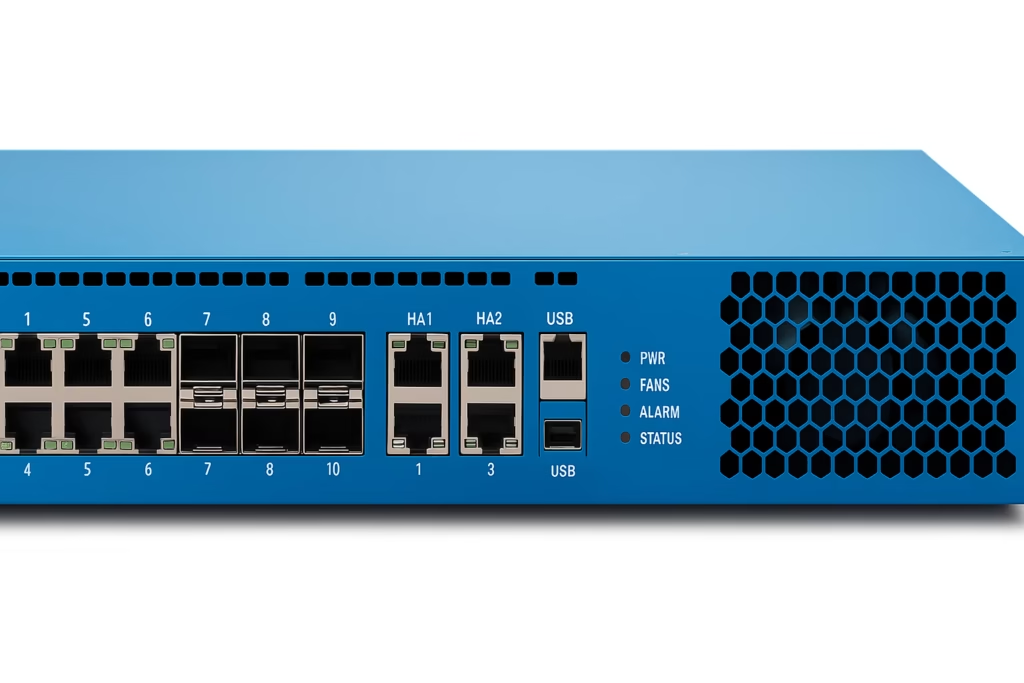
PA-800 Series
Think of this as the middleweight champ. Great for mid-sized enterprises that need more horsepower without stepping into the high-end pricing tier.
PA-800 Series All Models comparison guide Pdf
Highlights:
- Throughput: ~2–10 Gbps
- Ideal for: Medium businesses, regional HQs
- Pros: Strong performance for price
- Cons: Might be overkill for very small sites
PA-3200 Series
When your network demands serious throughput for lots of users or heavy data loads, the 3200 series is a strong contender.
Highlights:
- Throughput: ~15–30 Gbps
- Ideal for: Large campuses, enterprise cores
- Pros: High capacity, advanced threat detection
- Cons: Higher cost and complexity
PA-5200 Series
Now we’re talking enterprise-grade on steroids. This is for high-traffic environments where downtime isn’t an option.
Highlights:
- Throughput: ~40–70 Gbps
- Ideal for: Data centers, ISPs
- Pros: Massive performance headroom
- Cons: Expensive, requires skilled admins
PA-7000 Series
The flagship. If you run a global cloud service or a national network backbone, this is your beast.
Highlights:
- Throughput: 100+ Gbps
- Ideal for: Telecoms, hyperscale data centers
- Pros: Unmatched speed, modular design
- Cons: Overkill for 99% of organizations
Key Features You Shouldn’t Ignore
When comparing models, don’t just chase the biggest numbers. Look at:
- Threat Prevention (IPS, anti-malware, URL filtering)
- Application Control (identify apps beyond port/protocol)
- SD-WAN support
- Cloud integration for hybrid networks
- Automation & APIs for DevOps teams
Even the smallest model in the lineup can leverage Palo Alto’s cloud-delivered security services—making them future-proof.
Choosing the Right Model for Your Needs
Here’s a simple way I explain it to clients:
- Fewer than 50 users? PA-400.
- 50–500 users? PA-800.
- 500–2000 users? PA-3200.
- Mission-critical enterprise core? PA-5200 or PA-7000.
But numbers aren’t everything. I’ve seen a 20-person fintech startup pick a PA-3200 because they knew their encrypted traffic volume would spike within a year. Future-proofing matters.
💡 tip: Always plan for 30–50% more throughput than your current peak usage. Traffic grows. So do cyberattacks.
Suggestion
Choosing the right Palo Alto firewall model isn’t about getting the biggest box you can afford—it’s about finding the perfect balance of performance, security features, and scalability for your environment.
If you match the model to your real-world needs, you’ll get not just protection, but peace of mind. And in my experience, that’s worth every penny.